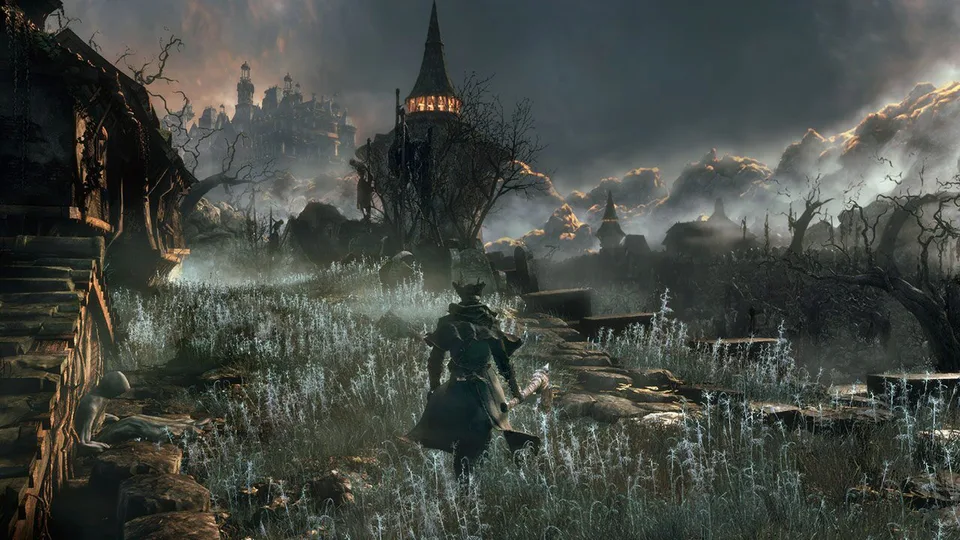
Discover the truth about bloodborne respec mechanics, learn how character builds work, and explore community workarounds for stat allocation.
Published: Bloodborne Wiki Editorial Team
Table of Contents
Understanding the Absence of Bloodborne Respec
When diving into FromSoftware's gothic masterpiece, many newcomers wonder if a bloodborne respec mechanic exists to fix accidental stat mistakes. Unfortunately, unlike some other modern action RPGs, you cannot simply visit an NPC to reallocate your hard-earned stat points. Once you commit your Blood Echoes to Strength, Skill, Bloodtinge, or Arcane, those choices remain locked for that specific character.
This strict design choice forces players to approach their character development with extreme care. According to player experience and community reports, locking yourself into a suboptimal build can drastically alter your playthrough, especially when tackling aggressive bosses or navigating the brutal Chalice Dungeons. If you realize your current stat distribution is holding back your favorite weapon scaling, you are typically faced with two choices: start a brand-new character or power through the grind.
To help you navigate this unforgiving system, the table below outlines the primary character attributes and how permanent stat allocation impacts your overall gameplay strategy.
Attribute
Primary Impact
Best Paired Weapons
Scaling Potential
Strength
Heavy physical damage & staggering
Ludwig's Holy Blade, Kirkhammer
E to A
Skill
Visceral attack damage & fast strikes
Blade of Mercy, Rakuyo
E to S
Bloodtinge
Firearms & transformed trick weapons
Chikage, Evelyn
D to C
Arcane
Elemental damage & hunter tools
Kos Parasite, Holy Moonlight Sword
C to S
Why Character Planning Matters So Much
Because a true bloodborne respec system is completely absent from the game, preparation is your absolute best defense against wasted effort. Veteran players often recommend mapping out your desired end-game gear before spending a single Blood Echo. For instance, if you want to wield the deadly Chikage katana efficiently, you need a balanced investment in both Skill and Bloodtinge, keeping in mind that its transformed state drains health while delivering massive burst damage.
Failing to plan ahead often leads to common mistakes that trap players in underwhelming builds. Based on community feedback, here are the top pitfalls to avoid when building your hunter:
Warning
Blind Stat Spreading: Spreading your points evenly across all stats too early leaves you weak in every category rather than strong in one.
Ignoring Weapon Scaling: Equipping weapons without matching your attribute investment drastically reduces your damage output.
Wasting Rare Materials: Upgrading multiple mediocre weapons before committing to a final endgame loadout can starve you of Blood Stone Chunks.
Effective Workarounds for Suboptimal Builds
Even though a direct bloodborne respec mechanic is missing, the community has devised clever workarounds to salvage a struggling playthrough. If you are deeply invested in your current save file and refuse to restart from the beginning, you can utilize high-level progression strategies to overcome stat misallocations.
One popular method reported by veteran hunters is pushing your character toward Blood Level (BL) 200. By reaching this high threshold, you effectively transition into an all-around hybrid build. This grants you enough points across all attributes to experiment with almost any weapon, bypassing the strict limitations of early-game specialization.
Identify Your Endgame Weapon: Check the weapon detail screen to see which stat scaling grades (ranging from E to S) match your playstyle.
Farm Blood Echoes Efficiently: Utilize high-yield farming areas like the Lecture Building or specific Chalice Dungeons to gather echoes rapidly.
Level Up Strategically: Invest points into Vitality and Endurance first to ensure survivability before focusing heavily on specialized damage stats.
Optimize Gem Setup: Compensate for lower base stats by farming high-tier physical or elemental blood gems to boost your weapon output.
The following comparison illustrates the differences between a focused build and a high-level hybrid approach:
Build Type
Target Level Range
Advantages
Disadvantages
Focused Build
BL 50 - 120
Maximum damage scaling, ideal for PvP matchmaking
Zero room for error, inflexible weapon choice
Hybrid Build
BL 200+
Access to all weapons and spells, high versatility
Slower matchmaking, requires extensive grinding
Navigating Weapon Scaling and Damage Types
Understanding how weapon scaling interacts with your permanent stats is crucial when a bloodborne respec is off the table. Pure physical weapons rely strictly on Strength and Skill, while split-damage weapons require careful consideration of Arcane or Bloodtinge investments.
For example, elemental gems will completely convert a weapon's physical damage into elemental damage, making Strength and Skill scaling obsolete while shifting full reliance onto your Arcane stat. Knowing these hidden mechanics prevents you from wasting stat points on attributes that do not contribute to your active weapon's damage calculation.
Pure Physical Weapons
Weapons like the Saw Cleaver scale primarily with Strength and/or Skill. They are reliable, straightforward, and fit easily into standard melee-focused builds without complex gem requirements.
Split Damage & Arcane Weapons
Weapons like the Blade of Mercy or Holy Moonlight Sword utilize secondary scaling attributes. Investing in Arcane or Bloodtinge unlocks their true destructive potential in later stages.
Conclusion
Ultimately, navigating the lack of a bloodborne respec option adds to the intense, unforgiving atmosphere of Yharnam. While making a permanent mistake with your stat allocation can feel devastating, careful planning, online stat calculators like MugenMonkey, and high-level grinding offer reliable paths forward. Embrace the challenge, plan your hunter's evolution wisely, and conquer the nightmare.
Frequently Asked Questions
Can you respec your stats in Bloodborne?
No, there is no official bloodborne respec mechanic in the game. Once you allocate your stat points at the Doll using Blood Echoes, they are permanent for that character.
What should I do if my build is ruined?
If your stat distribution is ineffective, you can either create a new character with a planned build path or continue leveling up past BL 200 to create a versatile hybrid character that can wield most weapons.
Do weapon levels matter for visceral attacks?
No, weapon upgrade levels do not increase visceral attack damage. Visceral damage is determined solely by your Blood Level, Skill attribute, and equipped physical or thrust damage gems.